Wedding DJ pricing in Minnesota and Wisconsin varies more than most couples expect. Here's what you actually need to know before you book.
You’ve got a venue, a caterer, and a photographer on your radar. Now you’re trying to figure out what a wedding DJ actually costs — and why the quotes you’re seeing range from $400 to $4,000-plus with almost no explanation in between.
That range isn’t random. It reflects real differences in what you’re getting, how prepared that person is, and what happens when something goes sideways on your wedding day. This guide walks you through what wedding DJ pricing actually looks like in Minnesota and Wisconsin, what’s driving those numbers, and what to look for when you’re comparing your options.
Nationally, the average wedding DJ cost sits around $1,700 according to The Knot’s 2025 Real Weddings Study. But in Minnesota and Wisconsin, quality DJ pricing tends to run higher than that national baseline — and for good reason.
Local sources put the average range for a reputable wedding DJ in Minnesota at $2,000 to $4,500 or more. Wisconsin follows a similar pattern, with quality DJs typically landing between $2,000 and $4,000. You’ll find budget options below those numbers, and we’ll get into what that actually means in a moment.
The short answer is that “wedding DJ” covers an enormous range of what someone is actually offering you. A $500 DJ and a $2,500 DJ are not doing the same job — they just both show up with speakers.
Experience is the most obvious factor. A DJ who has worked hundreds of weddings has seen things go wrong and knows how to handle them quietly, without your guests ever noticing. Someone newer to weddings may be technically capable of playing music but completely unprepared for the coordination demands of a full wedding day — managing ceremony timing, cueing the first dance at exactly the right moment, working alongside your photographer and caterer without anyone having to babysit them.
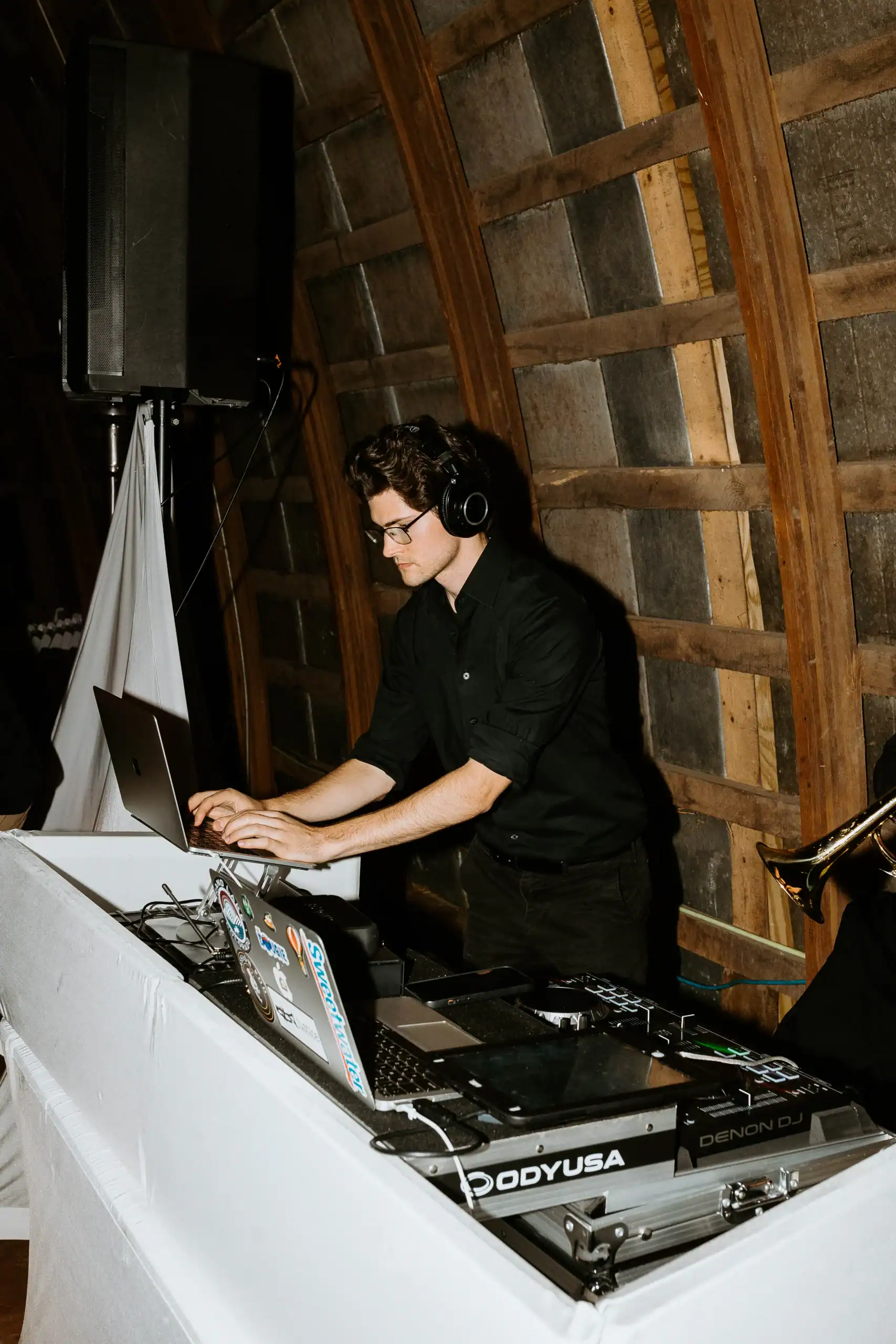
Equipment matters too. Professional-grade audio systems sound noticeably better in large spaces, and they come with redundancy built in — backup speakers, backup cables, backup laptops. Budget DJs often don’t carry backups. If a speaker blows during your first dance, that’s the difference between a five-minute fix and a ruined moment.
What’s included in the package is probably the biggest variable of all. Some DJs quote you for four hours of reception music and nothing else. Others cover ceremony sound, cocktail hour, dinner, and dancing, and also act as your MC for the entire day — keeping announcements smooth, managing transitions, and keeping the timeline on track. Those are fundamentally different services, and the pricing reflects that.
Then there’s the behind-the-scenes time that most couples never think about. A professional wedding DJ typically invests 15 to 30 hours per event beyond the actual performance — consultations, music research and editing, pre-event coordination with your other vendors, setup, teardown, and follow-up. When you’re comparing a $700 quote to a $2,200 quote, you’re not just comparing four hours of music. You’re comparing the entire ecosystem of preparation and professionalism that surrounds those four hours.
A well-structured wedding DJ package should cover more than just someone showing up with a laptop. At the professional level, you should expect a pre-event consultation where you talk through your timeline, your must-play songs, your do-not-play list, and the overall feel you’re going for. That conversation is where a good DJ starts doing their job — long before the wedding day.
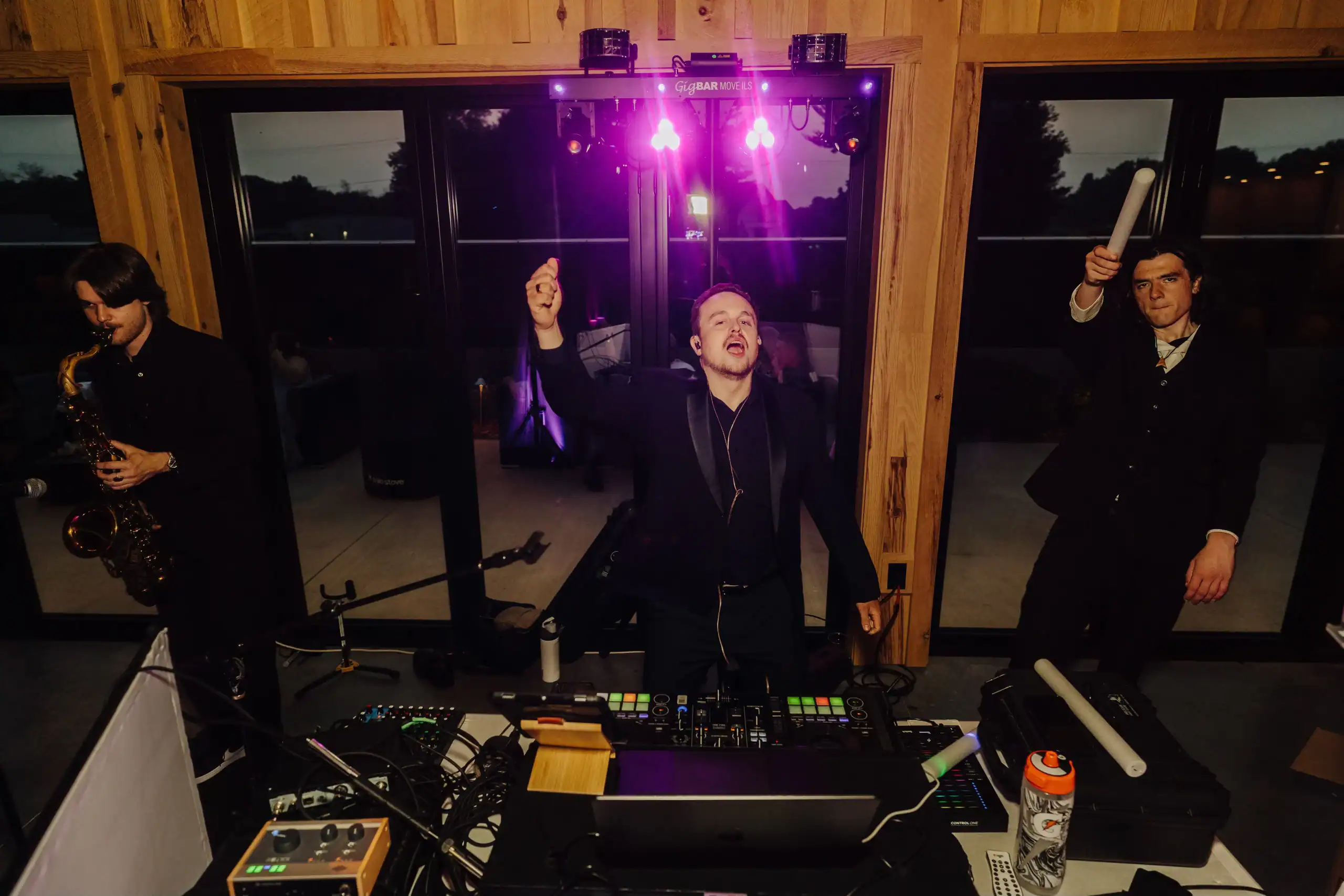
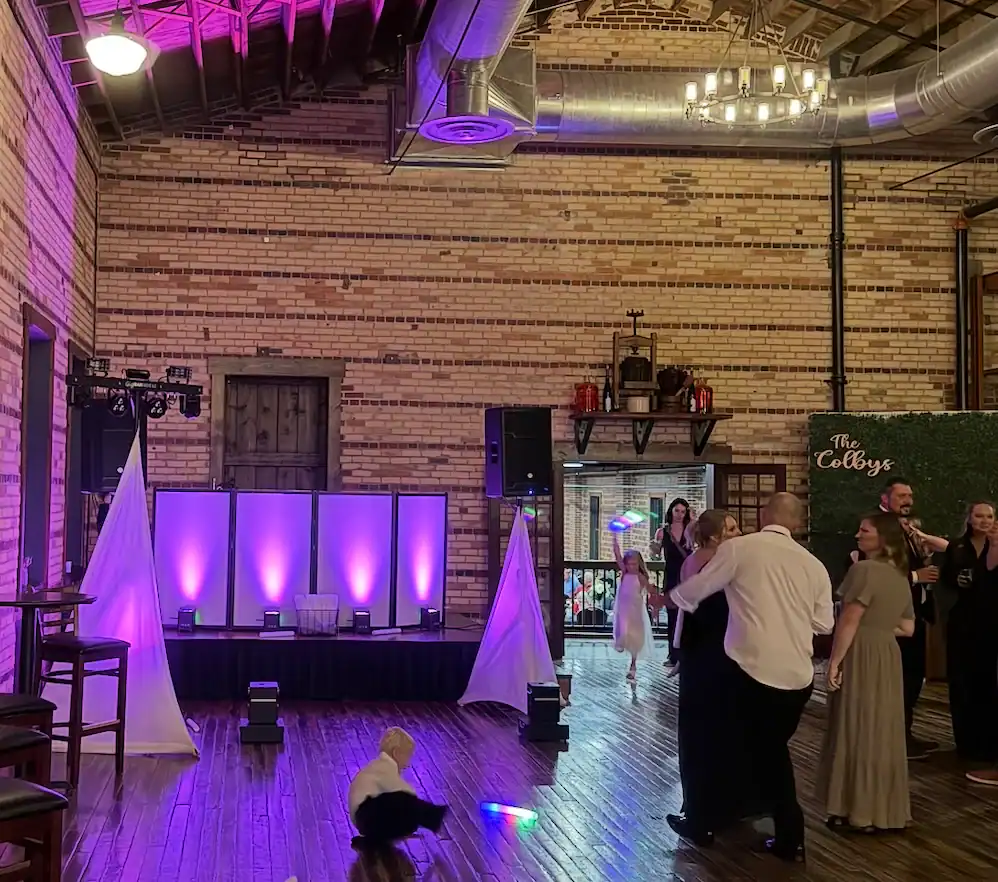
The package should include a full sound system appropriate for your venue size, wireless microphones for vows and speeches, and dance floor lighting at a minimum. Uplighting — the kind that washes your venue walls in color and completely transforms the atmosphere — is often available as an add-on, though some packages include it. Ceremony sound coverage is worth asking about specifically, because not every DJ includes it automatically.
An MC function is something couples often underestimate until they’re standing at the altar wondering who’s going to tell guests where to go for cocktail hour. A DJ who is also a skilled MC handles all of that — introductions, announcements, transitions — in a way that feels natural and keeps energy moving without being corny or awkward.
Guest song requests are another thing worth clarifying. Some DJs welcome them and manage the balance between guest requests and your curated vision gracefully. Others ignore them entirely, or worse, let requests derail the whole vibe you planned.
One thing that separates a genuinely full-service wedding entertainment company from a solo DJ is vendor coordination. The best companies don’t just show up and play music — we communicate with your photographer, videographer, and venue coordinator before the event to make sure everyone is on the same page. That kind of proactive communication is what prevents the awkward moments where no one knows it’s time to cut the cake.
Want live answers?
Connect with a Eternally Ours Entertainment expert for fast, friendly support.
Couples planning weddings in the Twin Cities, Madison, and everywhere in between tend to ask the same questions when they start researching wedding DJ pricing. Here are honest answers to the ones that come up most often.
These aren’t generic talking points — they’re the real concerns we hear from couples navigating this decision, and they deserve straight answers.
Generally, yes — a DJ is less expensive than a full live band for the entire reception. A professional wedding band in Minnesota or Wisconsin can run anywhere from $4,000 to $10,000 or more depending on the number of musicians and how in-demand they are. A full-service DJ in the same markets typically starts around $2,000.
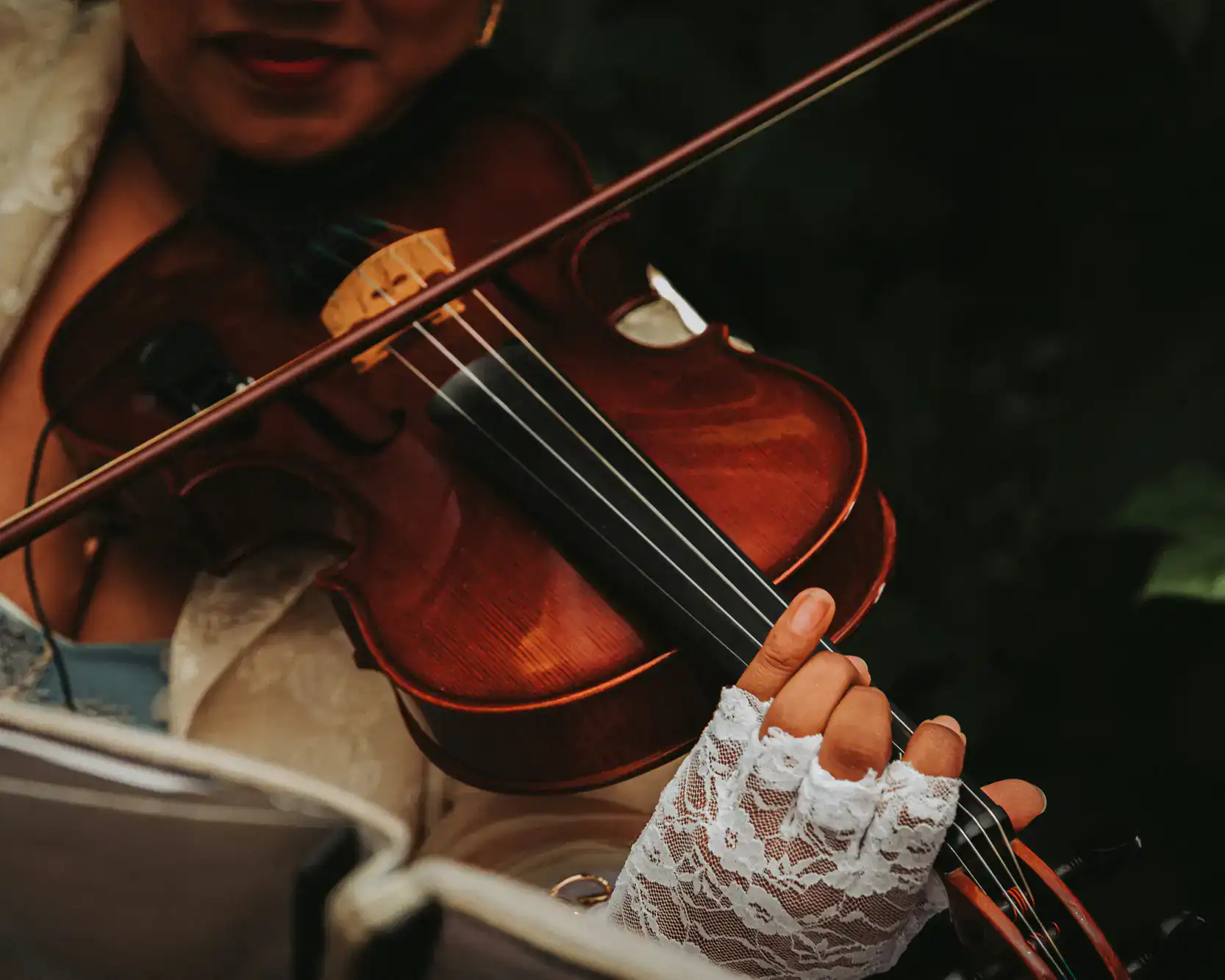
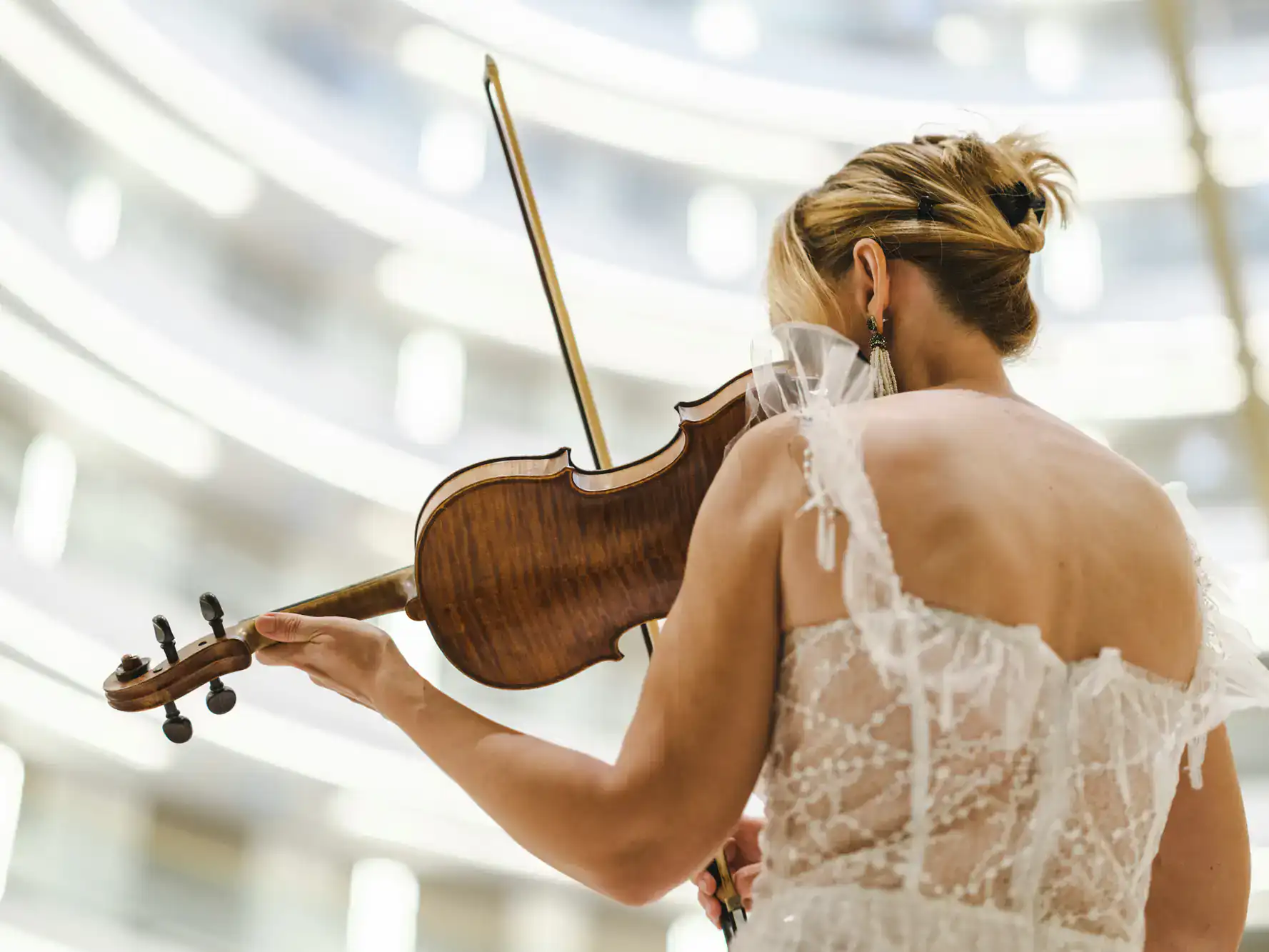
That said, the comparison isn’t always that simple. Many couples in the Twin Cities and Madison want the warmth and energy of live music for certain moments — a violinist during the ceremony, an acoustic guitarist during cocktail hour, a jazz trio setting the mood at dinner — without giving up the versatility and energy of a DJ for dancing. That hybrid approach is something most entertainment companies can’t offer, because they’re either a DJ company or a live music company, not both.
When you can layer live musicians into specific moments of your wedding alongside a DJ for the reception, you often get the best of both worlds at a total cost that’s still well below what a full live band would run. The key is finding a company that can actually deliver both under one contract, with one point of contact, rather than coordinating two separate vendors who have never worked together. We offer exactly that — the ability to mix live musicians with DJ services so your wedding feels distinctly yours.
It’s also worth noting that 35% of couples are now choosing live music elements specifically because they want something that feels more unique and personal. The trend isn’t really about live versus DJ — it’s about creating a wedding that feels like it was designed for you, not assembled from a template. The right entertainment setup, whether that’s DJ-only, live-only, or a combination, should reflect your actual vision for the day.
Earlier than most couples expect. In the Twin Cities metro, June through September Saturdays fill up fast. Popular venues like those along Lake Minnetonka, in Stillwater on the St. Croix River, or in downtown Minneapolis tend to cluster weddings on the same peak weekends, which means the best entertainment vendors are fielding multiple inquiries for those dates simultaneously. If you have a specific summer Saturday in mind, waiting until spring to start reaching out is a real risk.
The Madison, Wisconsin market follows a similar seasonal pattern. Lake Mendota and Lake Monona are stunning backdrops for summer weddings, and Capitol-area venues book up quickly for the warmer months. The good news is that Madison’s premium entertainment market is somewhat less saturated than Minneapolis, but that doesn’t mean you can afford to wait indefinitely.
As a general rule, if your wedding is in June, July, August, or September — especially on a Saturday — start your search 12 months out and plan to book within the first few months of that search. For off-peak dates, like fall Fridays or winter weekends, you have more flexibility, and you may also find that pricing reflects the lower demand.
One thing worth knowing: nearly every professional DJ will tell you that the couples who book earliest tend to be the most prepared overall. Starting the entertainment search early gives you time to have a real consultation, think through your vision, and make a decision from a place of confidence rather than urgency.
Here’s the honest takeaway from all of this: wedding DJ pricing in Minnesota and Wisconsin reflects real differences in what you’re getting. The $500 option and the $2,500 option are not the same service with different branding — they represent genuinely different levels of preparation, professionalism, and what happens when your wedding day doesn’t go exactly according to plan.
Nearly every couple who has been through it says the same thing in hindsight: entertainment is the one thing they wish they’d invested in more. It’s what guests remember. It’s what determines whether your reception feels alive or flat. And unlike a centerpiece that wilts or a favor bag that gets left on the table, a great DJ is something everyone in the room experiences together, in real time, for hours.
If you’re planning a wedding in the Twin Cities, Madison, or anywhere across Minnesota or Wisconsin, we’re here to help. We cover the full day — ceremony through last dance — with a dedicated DJ and MC, live music options, vendor coordination, and a planning process that keeps you from having to manage everything yourself. Reach out and let’s talk through what your day could look like.
Summary:

Article details:
Share: