
Choosing a wedding DJ is harder than it looks. Here's what couples in Minnesota and Wisconsin actually need to know before they book.
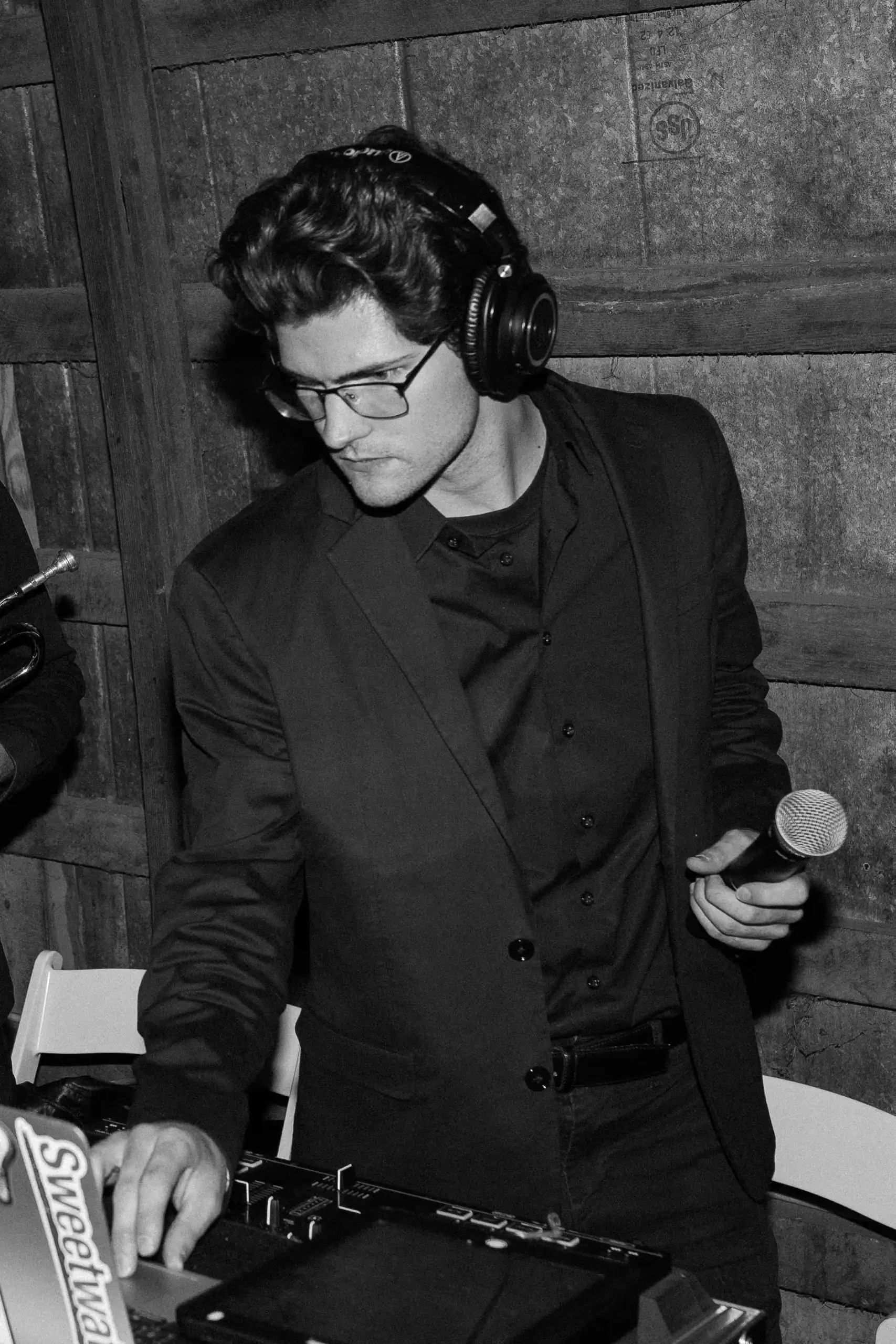
You’ve booked the venue. You have a rough vision for the day. Now you’re staring at a list of DJ options that all say roughly the same thing — experienced, professional, passionate about music — and you have no idea how to tell them apart.
That’s the problem most couples run into. Not a shortage of DJs, but a shortage of honest guidance on what actually matters when hiring one. This page is that guidance. By the time you finish reading, you’ll know exactly what to look for, what to ask, and what to walk away from — with specific context for couples planning weddings in Minnesota and Wisconsin.
The most important thing to understand upfront is that wedding DJs are not interchangeable. The skill set required to run a wedding — managing ceremony audio, serving as MC, reading a multigenerational crowd, coordinating with your venue and caterer, keeping a timeline on track across six to eight hours — is completely different from what a club DJ or a guy with a Spotify playlist brings to the table.
What you’re really evaluating when you’re shopping for a DJ is a combination of personality, communication, and operational competence. All three have to be there. A DJ who’s technically great but impossible to reach before the wedding is a liability. A warm, responsive communicator with no backup equipment plan is a gamble. You need all of it working together.
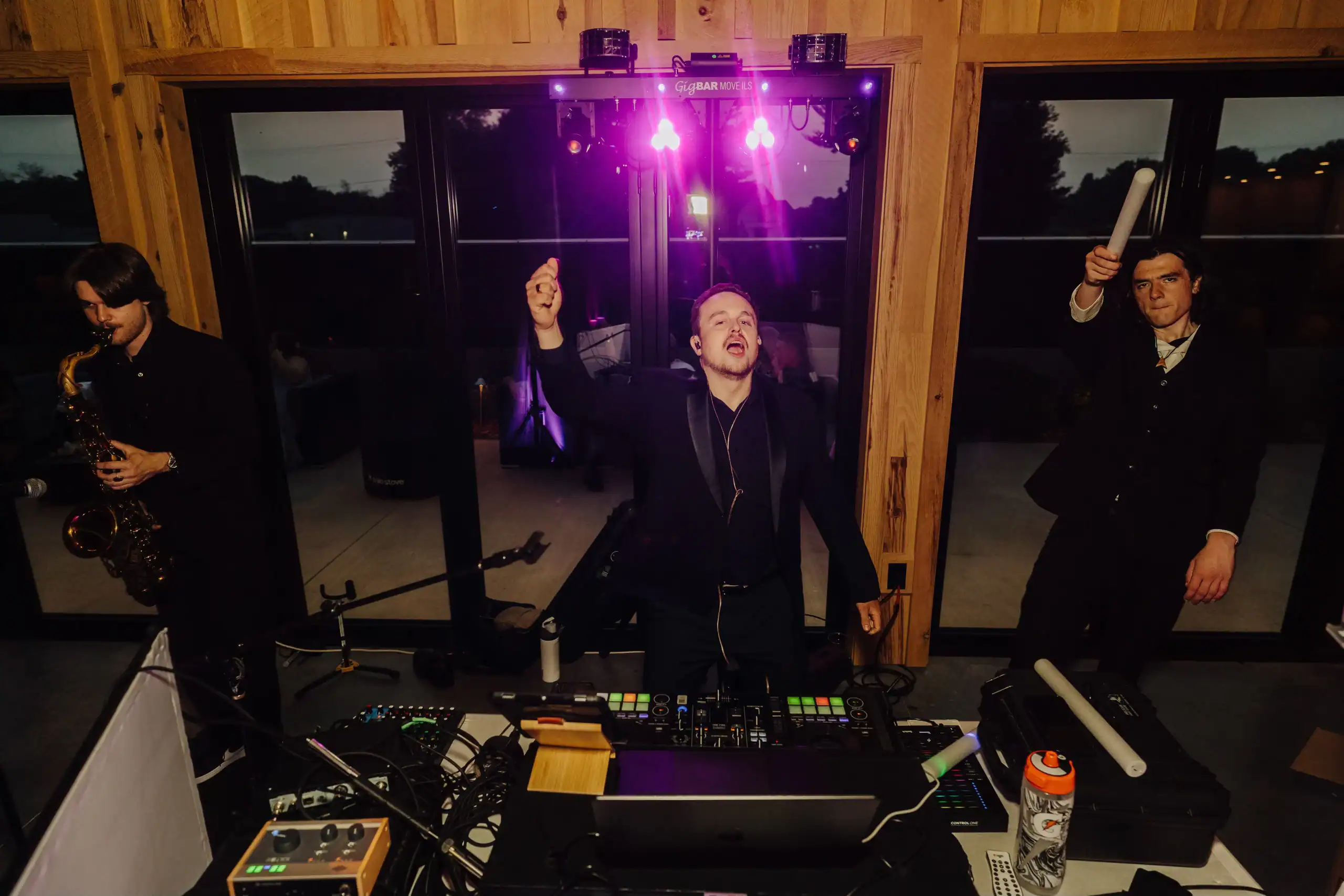
Ask any experienced wedding planner what separates a great DJ from a mediocre one, and they’ll tell you it comes down to personality before anything else. Music taste is subjective. Equipment can be rented. But the energy a DJ brings into a room — how they read a crowd, how they handle a quiet moment, how they recover when something goes sideways — that’s not something you can fake or fix after the fact.
This is why the consultation call matters so much. You’re not just confirming availability and pricing. You’re figuring out whether this person gets you. Whether they ask good questions. Whether they seem genuinely interested in your specific wedding or whether they’re just running through a checklist. A DJ who listens well before the wedding almost always performs well on the day.
Communication quality is also the strongest predictor of day-of performance. Couples who receive slow, vague responses during the planning process consistently report more problems on the wedding day. It’s not a coincidence. A DJ who doesn’t prioritize communication when they’re trying to earn your business is showing you exactly how they’ll operate once they have it.
One more thing worth asking: who actually shows up? At larger DJ companies, the person you meet during the sales process isn’t always the person who performs at your wedding. Get the performing DJ’s name in writing before you sign anything. This is a standard ask, and any professional operation will accommodate it without hesitation.
There are a few baseline markers that separate a working professional from a hobbyist, and they’re worth checking before you go any further in the conversation.
Liability insurance is the first one. Most established venues in Minnesota and Wisconsin require vendors to carry it — a Certificate of Liability, in the business name, at $1,000,000 or more in coverage. Not a rider on a homeowner’s policy. If a DJ can’t produce that document on request, that’s a problem, both for your peace of mind and potentially for your venue’s vendor requirements.
A written contract is non-negotiable. It should specify the performing DJ by name, the exact hours of service, what equipment is included, what happens if something fails, and the cancellation and payment terms. Any DJ operating without a formal contract is telling you something important about how they run their business.
Backup equipment matters more than most couples realize. Speakers fail. Laptops crash. A professional DJ has redundant systems and a contingency plan. It’s a completely fair question to ask: what happens if your primary setup goes down mid-reception? The answer should be specific and immediate, not vague reassurance.
Beyond the paperwork, we recommend DJs who use legal, licensed music — not Spotify, not YouTube, not personal playlists. Using streaming services at a live event is a licensing violation, and it introduces real technical risk: connectivity drops, ads, service interruptions. Professional DJs use licensed DJ software and music services built for live performance. It’s a small detail that reflects a larger pattern of professionalism.
The American Disc Jockey Association sets the industry standard here. ADJA-certified wedding DJs are required to carry insurance, use legal music, maintain ongoing education, and adhere to a professional code of conduct. It’s not the only quality signal, but it’s a meaningful one.
Want live answers?
Connect with a Eternally Ours Entertainment expert for fast, friendly support.
Once you’ve narrowed your list to two or three serious candidates, the consultation is where you make your decision. Come prepared with real questions — not just “how long have you been doing this?” but questions that reveal how they actually operate.
Ask how they handle the MC responsibilities. Ask what their planning process looks like between booking and the wedding day. Ask whether they offer an online planning tool or portal where you can build your timeline and share details with your vendor team. Ask what their do-not-play list process looks like. Ask whether guests can make requests during the reception. These questions tell you a lot about whether this DJ has a real system or is just winging it.
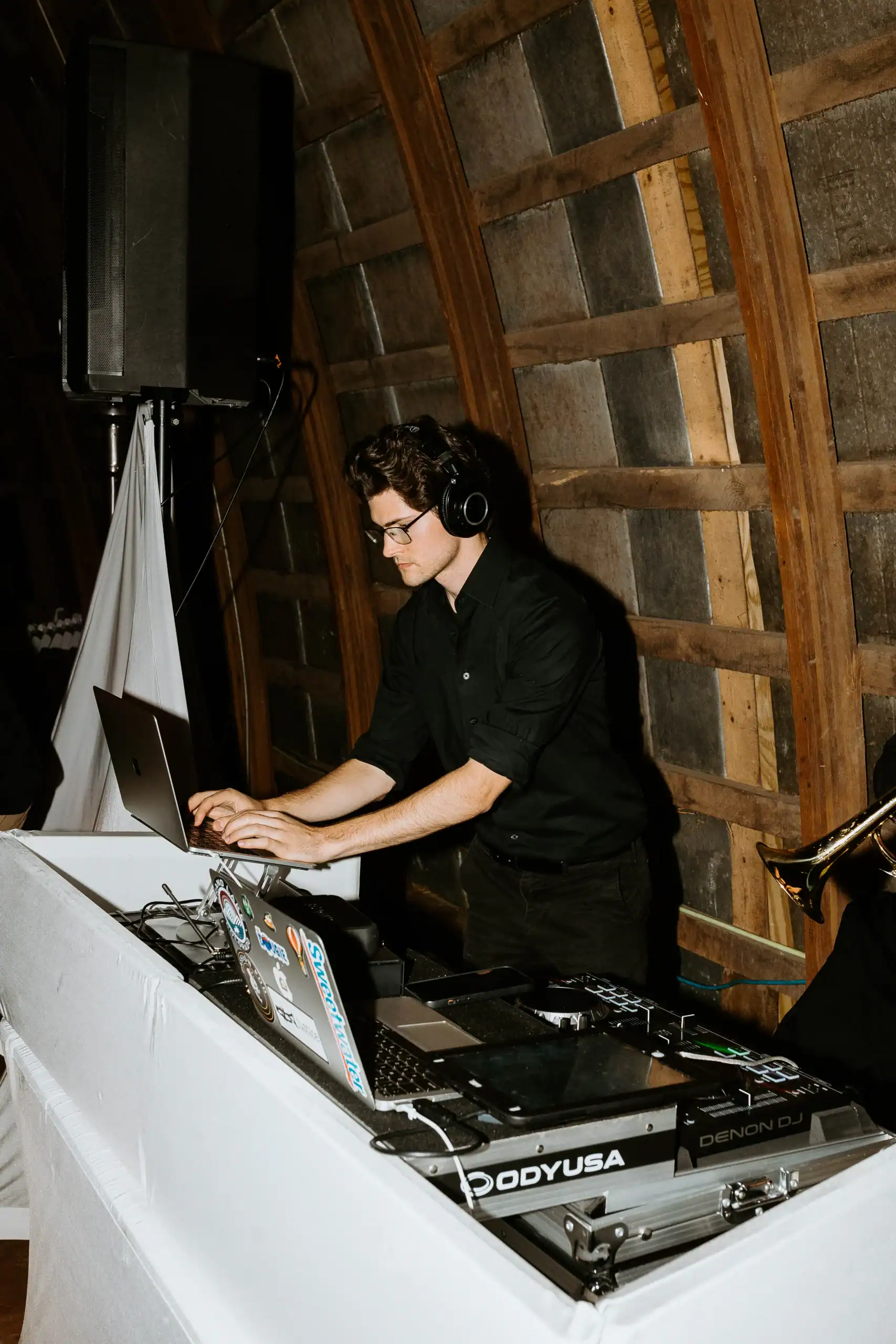
This is the question most couples spend real time on, and the honest answer is that it depends on your venue, your budget, and what kind of experience you want to create.
According to The Knot’s 2025 Real Weddings Study, the average cost of a wedding DJ nationally is $1,689, while the average live band runs about $4,500. In the Midwest, DJ pricing tends to come in slightly below the national average, making the gap even wider. About 70% of couples ultimately go with a DJ, and in most cases it’s the right call for the reception itself: a skilled DJ can cover more musical ground, adapt in real time to what’s working on the dance floor, and do it without the logistical complexity of managing a full band.
But here’s something most couples don’t know is an option: you don’t have to choose. A violinist for the processional, an acoustic guitarist during cocktail hour , a jazz trio at dinner, and a DJ running the reception — that’s a complete, layered wedding day soundtrack, and it’s something we offer through a single company, a single contract, and a single planning process. No coordinating between two separate vendors. No wondering if the band and the DJ are going to overlap on timing. Just a seamless arc from ceremony to last dance.
For couples who want the energy and intimacy of live music during the quieter, more personal parts of the day — and the range and reliability of a DJ when it’s time to actually dance — the hybrid model is worth knowing about. It’s not widely available in the Minnesota and Wisconsin market, and most how-to guides don’t mention it because most DJ companies don’t offer it.
Generic wedding DJ guides are written for a general audience. If you’re planning a wedding in the Twin Cities, Madison, the Brainerd Lakes area, Door County, or anywhere across the Minnesota and Wisconsin lake country, there are a few things worth knowing that those guides skip.
The booking window here is shorter than you might think. Minnesota and Wisconsin have a compressed peak wedding season — roughly June through September — and the best DJs fill their peak-season Saturdays 9 to 16 months out. If you’ve already booked your venue, entertainment should be the next call you make.
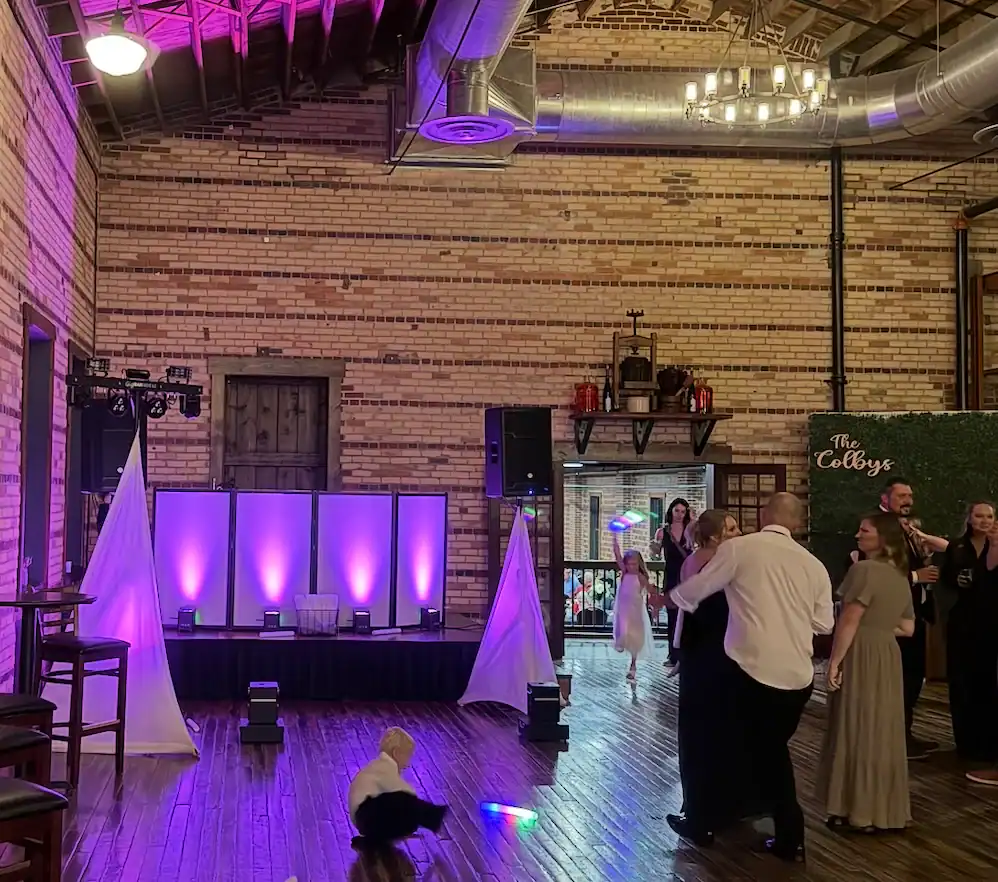
Venue type matters more in this market than almost anywhere else. Converted barn venues throughout greater Minnesota and Wisconsin are beautiful, but they present real acoustic challenges: high ceilings, wood and metal surfaces, irregular shapes that create echo and reverb. A DJ who’s never worked in a barn before will figure it out on your wedding day — which is not when you want the learning curve to happen. The same goes for lakeside outdoor ceremonies, where open-air audio dispersion and wind noise require professional-grade wireless microphone systems and careful speaker placement. Tented receptions have their own acoustic character entirely.
If you’re getting married at a venue in Madison near the Capitol, at a lakefront resort in the Brainerd Lakes area, at a vineyard in Door County, or at a barn venue anywhere between the Twin Cities and Eau Claire, ask your DJ directly: have you worked here before? Do you know the venue coordinator? Have you dealt with this specific acoustic environment? The answers matter. We’ve built strong relationships with venues and planners across both states precisely because that familiarity reduces risk for the couples we work with.
One more thing that’s specific to this region: outdoor weather is a real variable. Snow in April is not unusual in Minnesota. Summer humidity affects equipment. Wind on a lakefront ceremony can overwhelm a microphone. Ask any DJ you’re considering what their contingency plan is for outdoor and tented events. It’s a question that reveals a lot about how prepared they actually are.
Choosing the right wedding DJ comes down to a few things that have nothing to do with how polished a website looks. Personality, communication, real operational experience at venues like yours, a proper contract, proof of insurance, and a planning process that makes your life easier — not harder. Those are the things worth evaluating.
If you want a DJ who also handles the MC responsibilities through a dedicated team member, who can layer in live musicians for the ceremony and cocktail hour if that’s your vision, and who knows the venues and vendor community across Minnesota and Wisconsin, that’s exactly what we do.
Reach out to Eternally Ours Entertainment and tell us about your day. We’ll take it from there.
Summary:

Article details:
Share: