From the processional to the final song of the night, this checklist walks you through every music decision your wedding day actually requires.
There’s a moment most couples hit somewhere in the planning process — usually late at night, spreadsheet open, coffee going cold — where they realize they have no idea how many song decisions a wedding actually requires. The first dance, sure. Maybe a processional. But what about the prelude music before anyone walks down the aisle? The signing ceremony? The cake cutting? The last song before the lights come up?
It adds up fast. We’ve built this checklist to make sure nothing slips through the cracks — and to help you walk into your wedding day knowing every musical moment is covered, intentional, and exactly what you wanted.
More than most people expect. A typical wedding has somewhere between 8 and 15 distinct music moments — and that’s before you account for the 60 to 80 songs needed just to keep a 4 or 5-hour dance floor moving. Ceremony music alone usually requires 5 to 8 specific selections, each tied to a specific moment with its own timing and feel.
The reason couples get caught off guard isn’t that they don’t care about music — it’s that no one ever laid out the full picture for them. Once you see every moment mapped out, the planning gets a lot more manageable.
The ceremony is where the music carries the most emotional weight, and it’s also where couples most often under-plan. Here’s what you’re actually working with.
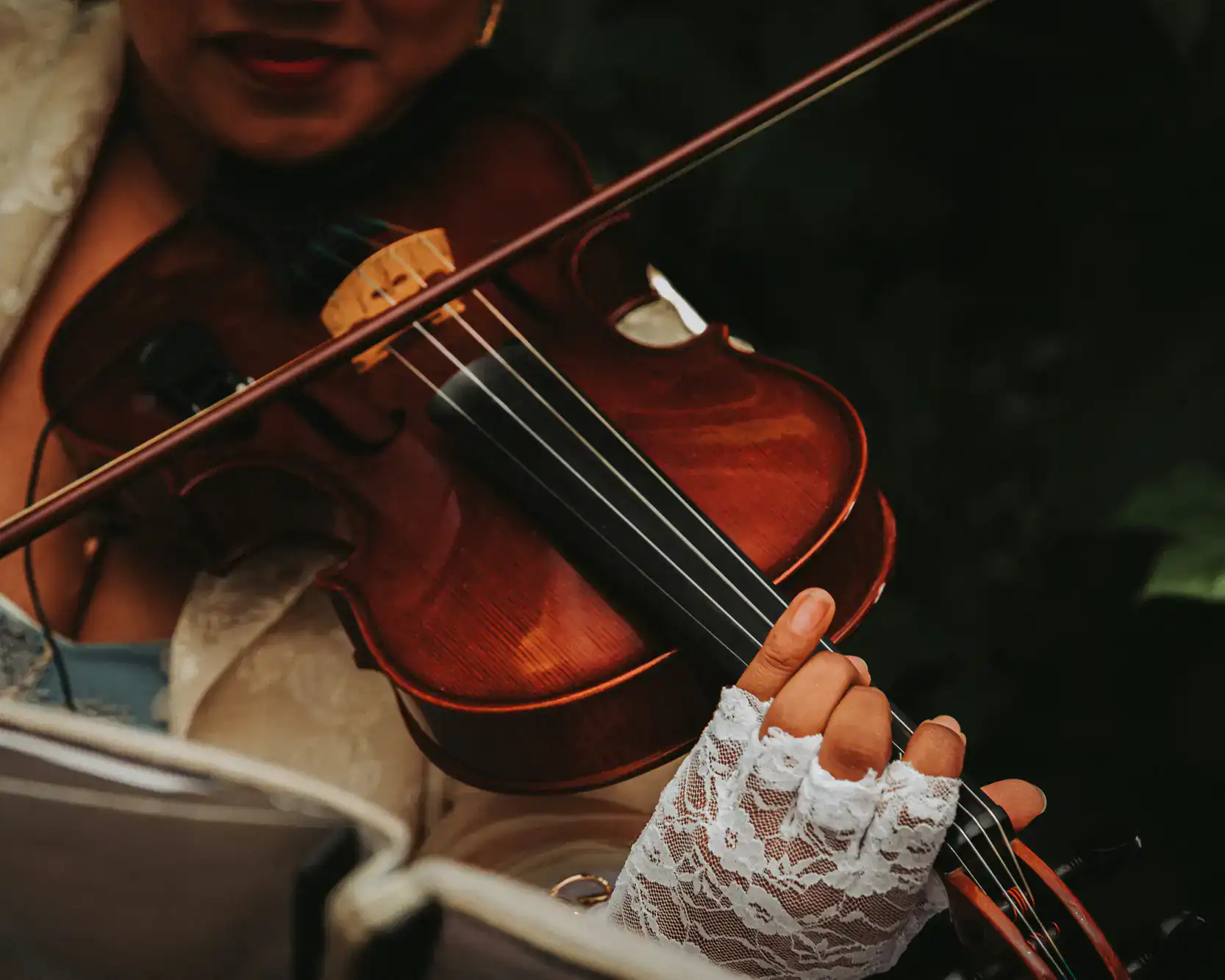
Prelude music sets the tone before anything officially begins — it’s what plays as guests find their seats, usually 15 to 30 minutes before the processional. Most couples choose something soft and ambient here, whether that’s a curated instrumental playlist or, for a more elevated feel, a live acoustic guitarist or string player. If you’re getting married at an outdoor venue on one of Minnesota’s lakes or in a garden setting in Dane County, Wisconsin, this is the moment where live music really shines — it fills the natural soundscape in a way that speakers alone rarely do.
The wedding party processional is its own song, separate from the bridal processional. A lot of couples use the same track for both, which works, but choosing two different songs lets you build energy — something understated for the wedding party, then a more meaningful or dramatic track as the bride or couple enters.
The bridal processional is the one everyone remembers. Take your time choosing it. It doesn’t have to be traditional, but it does need to feel right when you’re actually walking toward the person you’re marrying.
If your ceremony includes a unity ritual — a candle lighting, sand ceremony, ring warming, or a signing — you’ll want a separate piece of music for that moment. It’s often overlooked, and the silence when couples forget it is painfully obvious on video.
Finally, the recessional and postlude round things out. The recessional should feel celebratory — this is the moment you’ve just gotten married and you’re walking back up the aisle together. The postlude plays as guests exit and transitions into cocktail hour. It can mirror the ceremony’s tone or start shifting the energy toward the celebration ahead.
The reception is where most of the musical heavy lifting happens, and it’s also where the energy of your entire wedding day either builds into something memorable or quietly fizzles. The good news is that once you know all the moments you’re planning for, none of it feels overwhelming.
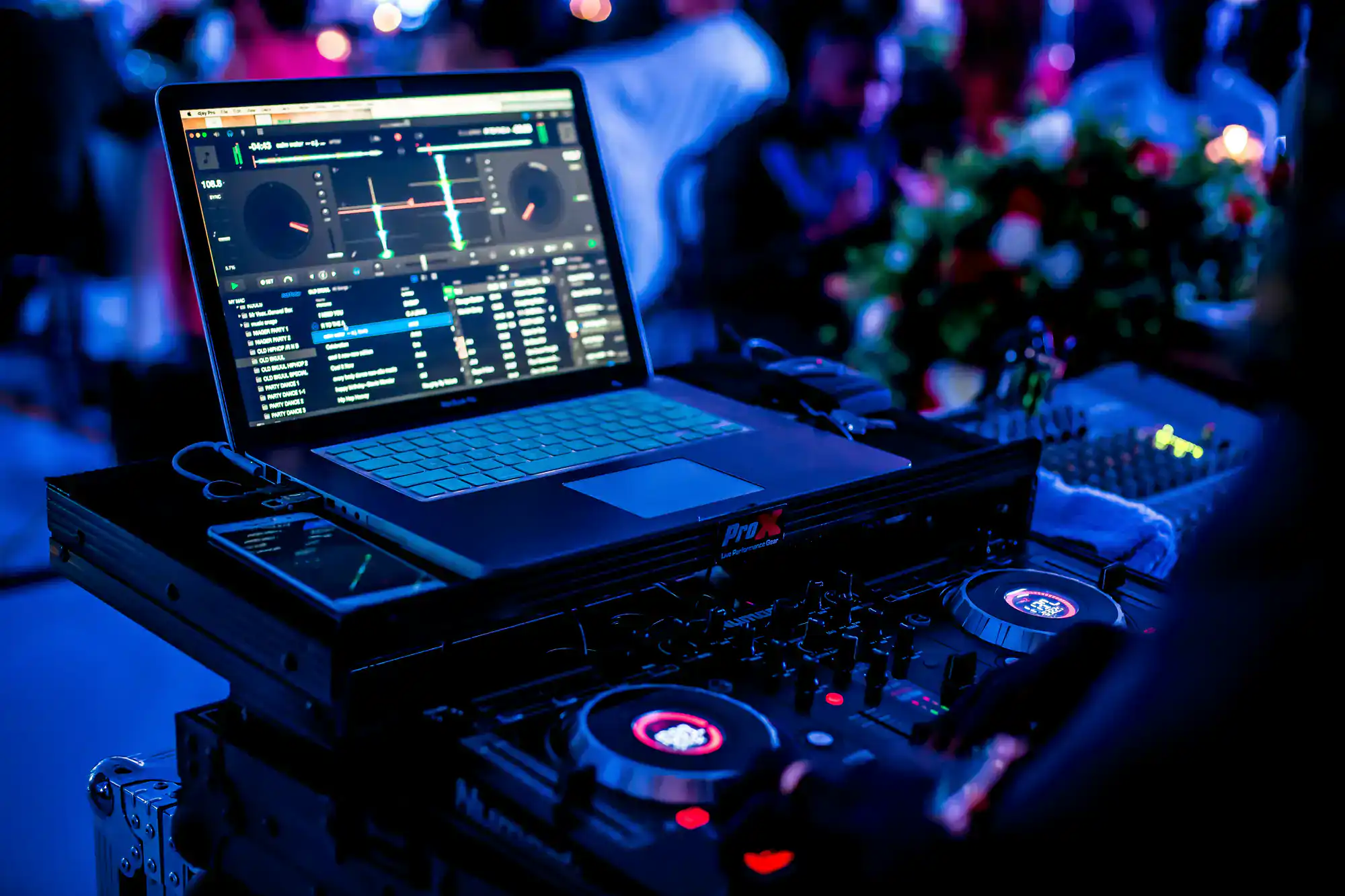
Cocktail hour is often underestimated. This is the first impression your guests get of the reception, and the music sets the tone immediately. A jazz trio or acoustic guitarist creates a completely different atmosphere than a DJ playing background tracks — more intimate, more textured, more “event” and less “playlist.” For couples who want that elevated feel without booking a full live band for the evening, this is the moment where a live musician add-on makes the biggest impact.
The grand entrance is the first major reception moment — your wedding party and then you, announced into the room for the first time as a married couple. The song matters here. It should match your energy, not someone else’s idea of what a wedding entrance should look like.
From there, the first dance is the centerpiece of the reception’s emotional arc. Then, depending on your family situation and preferences, you may have a father-daughter dance, a mother-son dance, or both. These are deeply personal, and they deserve songs that actually mean something — not just whatever’s trending on wedding blogs this year.
Cake cutting, bouquet toss, and garter toss each have their own musical moment, and each one benefits from a song that fits the vibe you’re going for. Playful, irreverent, classic — it’s your call, but having something intentional ready beats an awkward pause every time.
Dinner music shapes how your guests feel during one of the longest stretches of the reception. Something too loud pulls attention away from conversation; something too quiet makes the room feel empty. Getting this right is a craft, and it’s one of the things we handle instinctively.
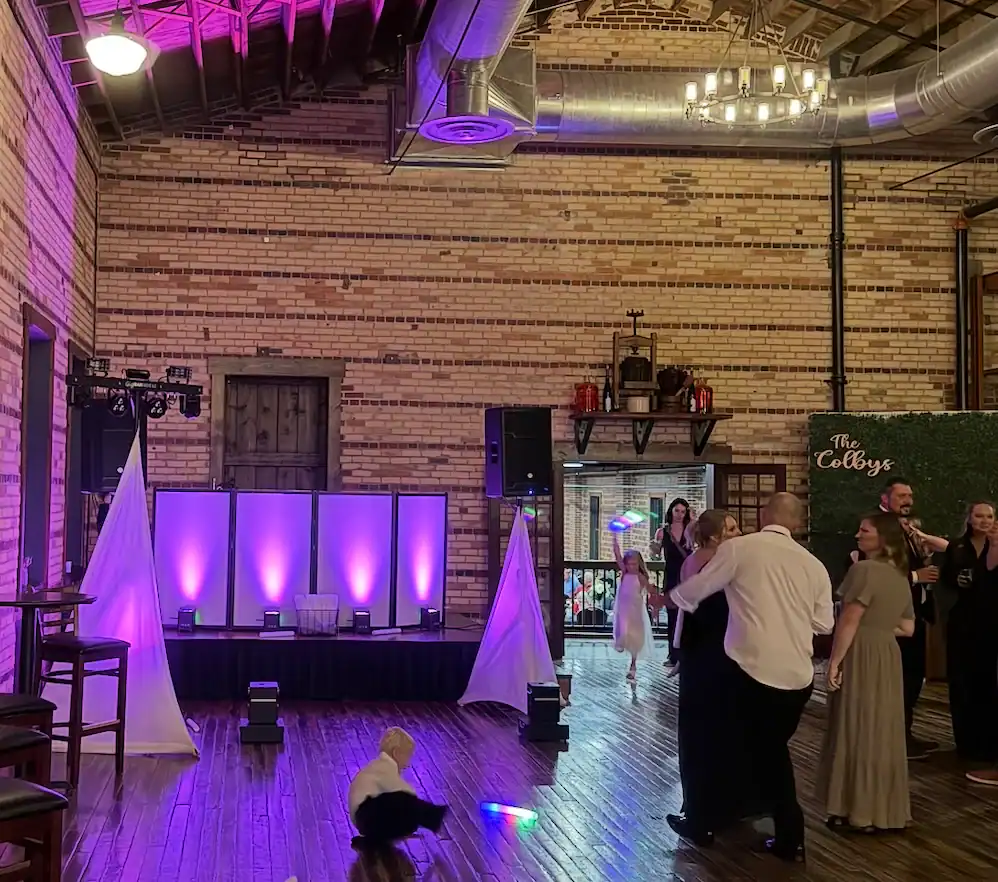
Then there’s the open dance floor — the bulk of the evening, and the part most couples spend the least time planning in detail. This is where song selection, crowd reading, and real-time adaptability matter most. Knowing your guests, building energy across the night, and knowing when to shift gears — that’s not something a Spotify playlist can do.
The last dance closes the night. It can be romantic, nostalgic, or a final burst of energy — but it should feel intentional, not like the music just ran out.
Want live answers?
Connect with a Eternally Ours Entertainment expert for fast, friendly support.
Having a complete song list is one thing. Having a wedding playlist that actually works — that keeps different generations on the floor, honors your taste without alienating your guests, and flows naturally from one moment to the next — is something else entirely.
A few things make a real difference here. A do-not-play list is just as important as your song requests. If there are songs, artists, or genres that would genuinely bother you to hear at your own wedding, write them down and share them with us early. It’s not a strange ask — it’s a smart one.
This is one of the most common questions we hear from couples, and it’s a fair one. Midwest weddings — whether you’re hosting 80 people in a converted barn outside Madison or 200 guests at a venue in the Twin Cities — tend to span multiple generations, and what gets your college friends on the floor isn’t necessarily what gets your grandparents moving.
The honest answer is that you can’t please everyone all night, and trying to usually means pleasing no one particularly well. What you can do is build a night that has peaks for different groups. Early in the reception, familiar classics and crowd-pleasing songs warm the floor up and get the older guests involved. As the night progresses, the energy shifts toward the couple’s taste and their generation. A DJ who knows how to manage that arc — not just follow a preset list — makes all the difference.
It also helps to think about your guest list when you’re building your preferences. If your family is full of people who grew up on Motown and classic rock, a wedding song list that skips anything before 2010 is going to leave a noticeable gap. That doesn’t mean you have to compromise your taste — it means weaving in a few strategic songs that give everyone a moment to feel included.
In our experience working with couples across Minnesota and Wisconsin, the receptions that get talked about afterward are the ones where the dance floor never really emptied. That doesn’t happen by accident. It happens because someone was paying attention to the room all night and adjusting in real time — something we do that a playlist simply can’t replicate.
One more thing worth saying: guest song requests, when managed well, are one of the best tools for keeping energy personal and the floor full. The key word is “managed.” A DJ who can field requests, filter the ones that don’t fit the moment, and work in the ones that do — without losing the thread of the night — is worth their weight in gold.
Earlier than you think. Most planning guides suggest having your music checklist finalized four to six weeks before the wedding, with a full planning meeting with your DJ two to four weeks out. That’s a reasonable minimum — but if you’re getting married during peak season in Minnesota or Wisconsin, the conversation about booking your entertainment should start much earlier than that.
June, July, August, and September are the busiest months in both states, and the most sought-after DJs in the Twin Cities and Madison markets regularly book 12 to 18 months in advance for those dates. Memorial Day, Labor Day, and Fourth of July weekends go even faster. Waiting until spring to book a summer wedding often means your first choice is already gone — and sometimes your second and third choices too.
There’s also a practical reason to start your music planning early that has nothing to do with booking availability. The more time you give yourself, the more intentional your choices can be. Picking a first dance song when you’re not rushed is a completely different experience than scrambling to decide three weeks out. The same goes for parent dances, the processional, and every other moment that carries real emotional weight.
For couples planning outdoor ceremonies — which is a significant portion of weddings in both states, given Minnesota’s lakes and Wisconsin’s farm and garden venues — there are additional logistics worth thinking through early. Outdoor venues introduce real audio challenges: wind interference with wireless microphones, ambient noise from water or surrounding landscape, and the kind of open-air acoustics that require thoughtful speaker placement to project clearly without distortion. These aren’t problems that get solved the day of. They get solved by working with someone who has navigated those venues before and knows exactly what the space requires.
If your venue is a barn — and there are a lot of beautiful ones in Dane County, Wisconsin and throughout rural Minnesota — the acoustic profile is its own thing entirely. High ceilings, wood surfaces, irregular room shapes: all of it affects how sound travels and where it gets muddied. This is one of the less-talked-about reasons why hiring someone with genuine local venue experience matters as much as it does.
The goal of a wedding music checklist isn’t just to make sure you’ve picked songs for every moment — it’s to make sure your wedding day sounds exactly the way you imagined it, from the first note of the prelude to the last song of the night. That requires planning, communication, and someone in your corner who knows how to execute it all when the day actually comes.
If you’re planning a wedding in Minnesota or Wisconsin and you want entertainment that covers every moment — ceremony, cocktail hour, dinner, and a dance floor that stays full — we’re here to help. We work with couples across the Twin Cities, Madison, and beyond, and we’d love to help you build something worth talking about.
Reach out to us directly to start planning. The sooner you do, the more options you have.
Summary:

Article details:
Share: